The Government of Zimbabwe has applauded DAPP Zimbabwe for its swift and proactive response in helping protect flood-affected communities in Epworth from a potential cholera outbreak.
Following the heavy rains and flooding experienced during the 2025/26 rainy season, many families in Epworth were left vulnerable as homes were damaged, water sources contaminated and sanitation facilities compromised. The situation raised serious concerns over the possible outbreak of cholera and other waterborne diseases, with local authorities and health officials warning of an escalating public health emergency.
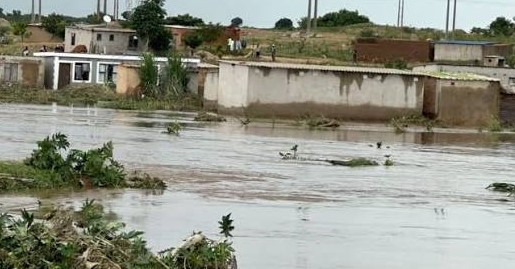
Flooded Epworth- Photo credit: Daily News
Recognising the growing threat, DAPP Zimbabwe responded before disaster could strike. Through the project, “Strengthening WASH Systems and Cholera Preparedness among Flood-Affected Households in Epworth”, implemented from 15 March to 15 June 2026 with support from the Danish Emergency Relief Fund through UFF-Humana, DAPP Zimbabwe adopted an anticipatory action approach focused on prevention, preparedness and community resilience.
During a tour of the project, the Honourable Minister of State for Provincial Affairs and Devolution for Harare Metropolitan Province, Cde Charles Tavengwa, commended DAPP Zimbabwe for being an "all-weather friend" to the people of Epworth and praised the organisation for listening to the concerns of the community and responding quickly to an emerging humanitarian crisis.
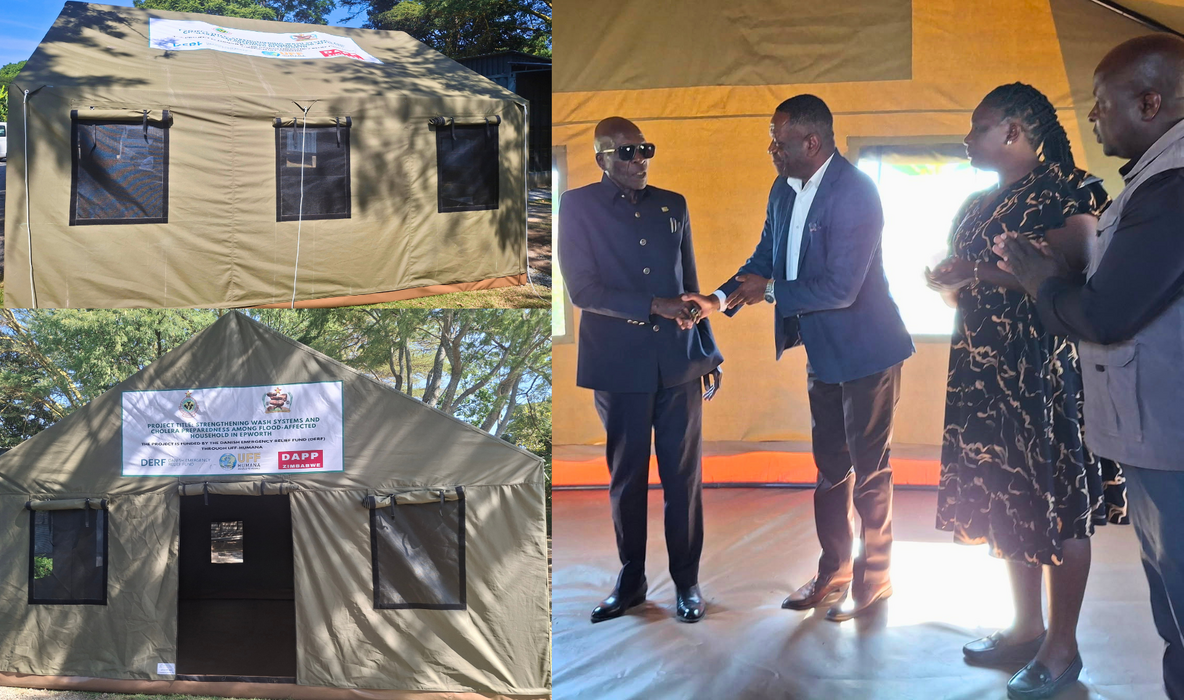
The Honourable Minister of State for Provincial Affairs and Devolution for Harare Metropolitan Province, Cde Charles Tavengwa in black shades touring four 5 × 5 m quarantine tents in Epworth
The intervention equipped communities and local institutions with the tools and knowledge needed to prepare for and prevent a cholera outbreak. More than 500 households now have access to safe and reliable water through a solar-powered borehole and online chlorinator, significantly reducing the risk of waterborne diseases.
The project also invested in people by training 460 Community Health Workers in cholera preparedness, hygiene promotion and community referral systems, creating a network of community champions capable of detecting risks early and supporting rapid response efforts. In addition, health institutions and local authorities were strengthened through the provision of water quality testing equipment, protective gear, hygiene supplies and other essential preparedness materials.
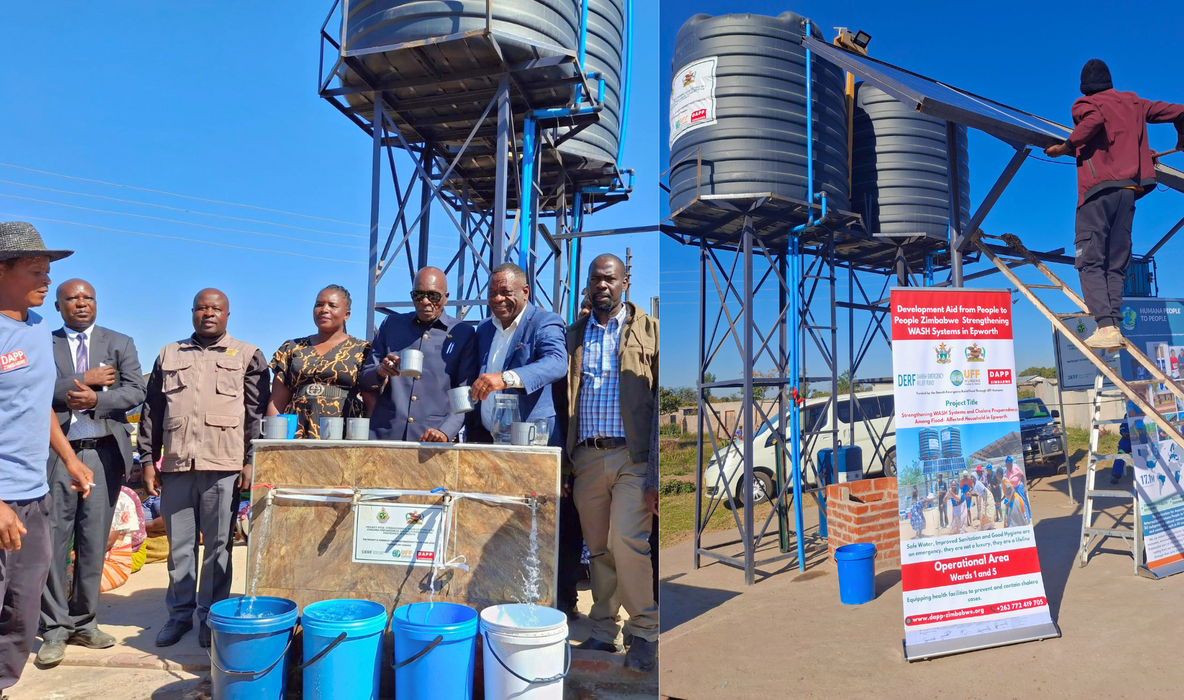
The Government acknowledged that DAPP Zimbabwe's intervention demonstrates the importance of development partners that respond quickly, place communities at the centre of their work and strengthen local systems before emergencies become disasters.
As climate-related shocks continue to threaten vulnerable communities, the partnership between Government, communities and development organisations such as DAPP Zimbabwe remains critical in building healthier, safer and more resilient communities across Zimbabwe.