As the world marks International Women’s Day, communities across the globe are facing escalating challenges from climate change and environmental degradation to food insecurity. Amid these pressures, rural women farmers continue to stand at the heart of resilient food systems. Recognised by the Food and Agriculture Organisation (FAO) in 2026 as the Year of Women Farmers, their knowledge, labour, and leadership are shaping sustainable rural agriculture.
According to FAO, “women constitute 41% of the global agrifood workforce, yet face a 24% land productivity gap, earn only 82 cents for every dollar earned by men, and experience 34% higher income losses due to extreme heat.” These inequalities persist despite women’s central role in agriculture and rural livelihoods. Women farmers continue to feed families, strengthen and drive rural communities forward.
Women contribute to every stage of the agricultural production. Many lead efforts to protect natural resources and promote regenerative practices that sustain productivity in an ever-changing climate. Their work extends beyond agriculture, improving household nutrition, education, and community cohesion.
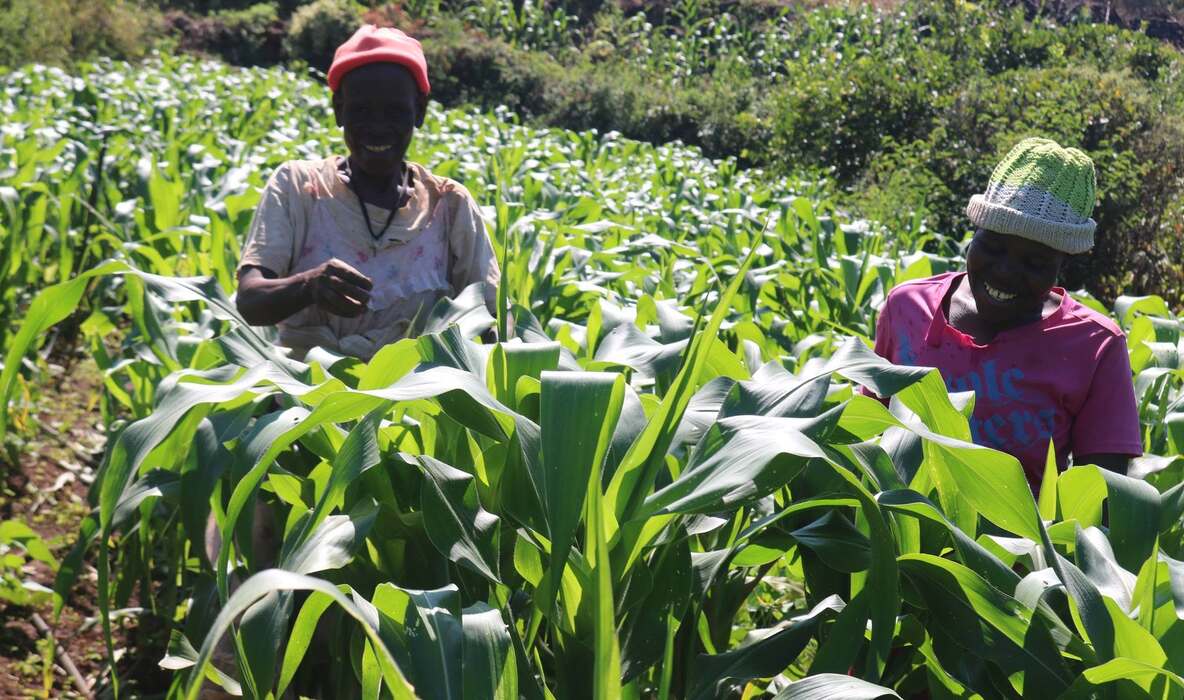
DAPP Zimbabwe prioritises closing the gender gap in agriculture through people-to-people approaches that build knowledge, organisation, and leadership at the community level. Our Sustainable Agriculture and Environment programmes promote women’s leadership through democratic structures in Farmers’ Clubs, while engaging men as partners who help to address gender equality and shared progress.
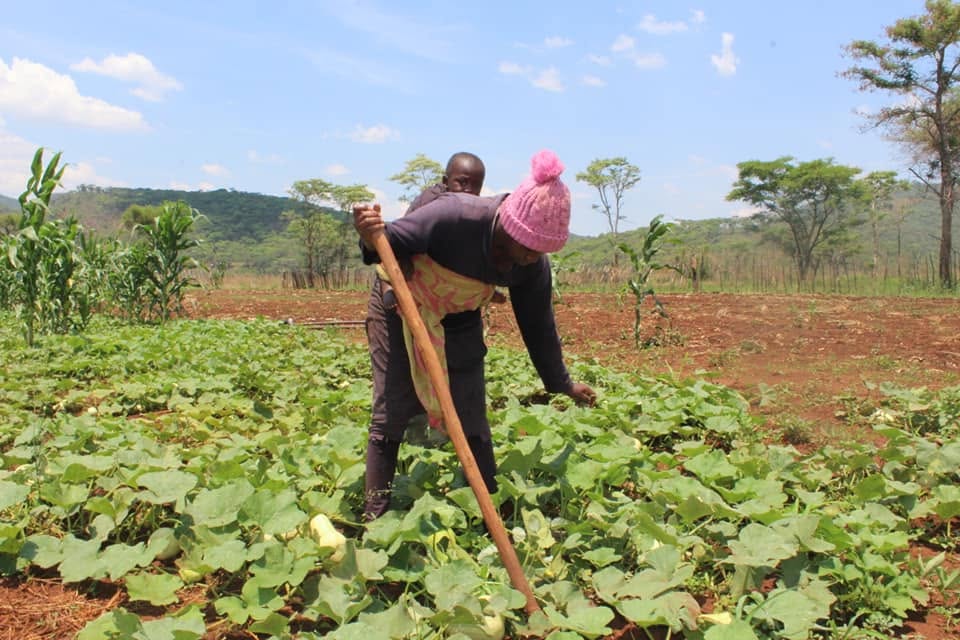
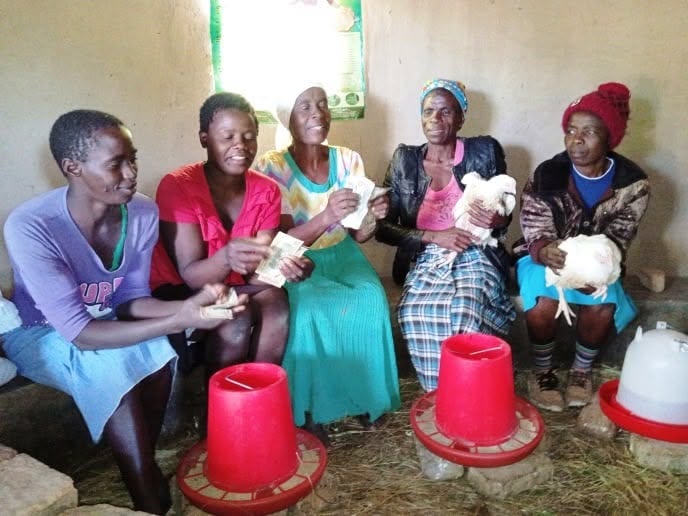
In our Agriculture and Community Development project across Zimbabwe, women farmers are using Internal Savings and Lendings Clubs to invest in agriculture, livestock, education, and housing. Financial inclusion enhances women’s economic independence and strengthens their ability to withstand climate shocks. As women share knowledge on regenerative agriculture, entire communities benefit from improved practices and increased productivity.
“Before joining the Farmers’ Clubs, I was financially illiterate and lacked a savings culture. I later joined a 15-member Internal Savings and Lending (ISAL) group, contributing $5 monthly. Within the group, we issued loans at 10% interest and shared the savings every six months. Through regular meetings and guidance, I improved my financial literacy. From my savings, I am now able to support my family in accessing healthcare and purchasing household assets”. Said Sarudzai Munofa (40) from Derera village in Chimanimani District, Manicaland Province.
While progress has been made in gender equality across different sectors, much remains to be done. Women farmers must be supported and equipped with knowledge to fully participate as equal members of society. Achieving this requires coordinated action by policymakers, the private sector, and communities.