Every year, World Environment Day on 5 June and World Food Safety Day on 7 June remind us of a simple truth: people cannot thrive without a healthy planet, and food security is impossible without safe and sustainable food systems.
World Environment Day 2026 calls for urgent action beyond reducing emissions, including restoring ecosystems, protecting biodiversity, managing water responsibly, improving soil health, and reshaping the systems that sustain everyday life. At the same time, World Food Safety Day 2026, under the theme “From burden to solutions – safe food everywhere,” highlights that foodborne diseases still affect millions each year, even though they are largely preventable through practical actions across the food chain. These are not separate issues, and addressing these challenges requires more than technical solutions. It requires people to take action.
As Development Aid from People to People, Zimbabwe, we are guided by one principle: lasting development happens when people organise, lead, and act together. Our people to people approach engages communities to be at the centre of change. We work with smallholder farmers, community groups, and local authorities to identify challenges, drive solutions, and build long-term resilience. Local ownership is the foundation of sustainable results.
This approach shapes our Sustainable Agriculture and Environment programmes. Smallholder farmers and their families lead efforts to increase food production, protect natural resources, and adapt to climate change. Through Farmers’ Clubs and community structures, people strengthen food systems, diversify livelihoods, improve nutrition, and build resilience using local knowledge.
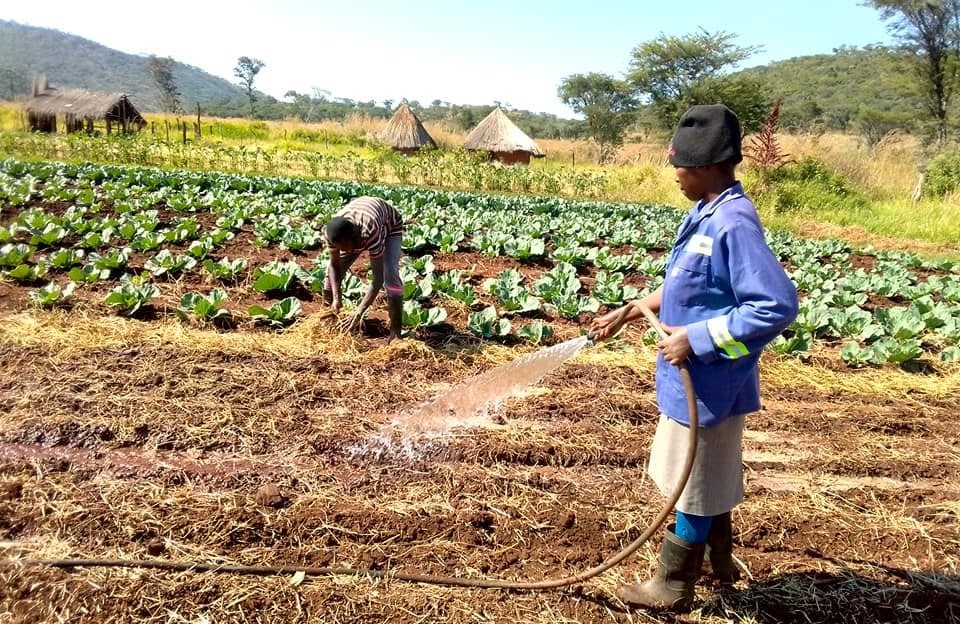
“As Gutu Forestry Commission we work closely with DAPP in promoting Environmental conservation. The collaboration particularly supports communities in ward 8,9,35 and 37 through environmental awareness and training programs. Communities are capacitated in sustainable practices such as tree nursery establishment, tree planting and proper forest management. The partnership also promotes agroforestry practices that help improve soil fertility and protect natural resources. The activities have strengthened conservation efforts in Gutu communities.” Says Gutu District Forestry Extension Officer Nyengeterai Chirume.
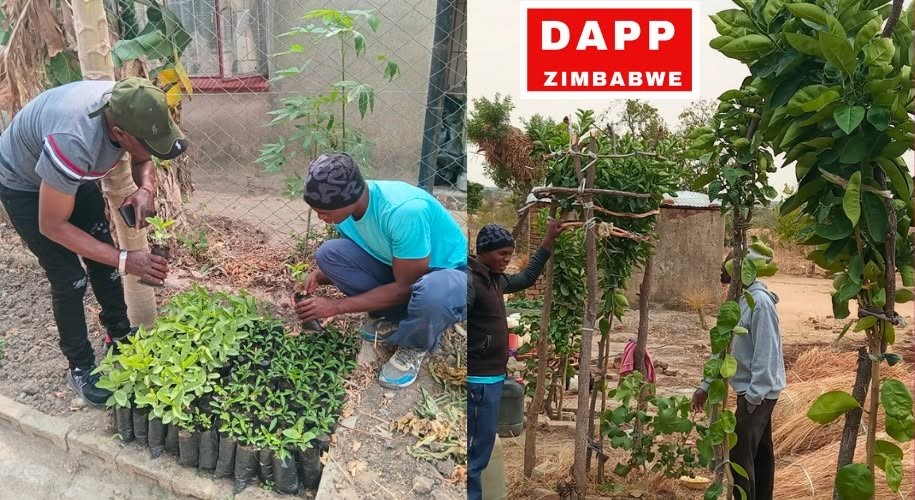
This is what people-to-people development looks like in practice: communities building knowledge together, improving food habits, strengthening local systems, and creating healthier futures. As DAPP Zimbabwe, we will continue working alongside communities to drive sustainable solutions through collective action, practical knowledge and local leadership.